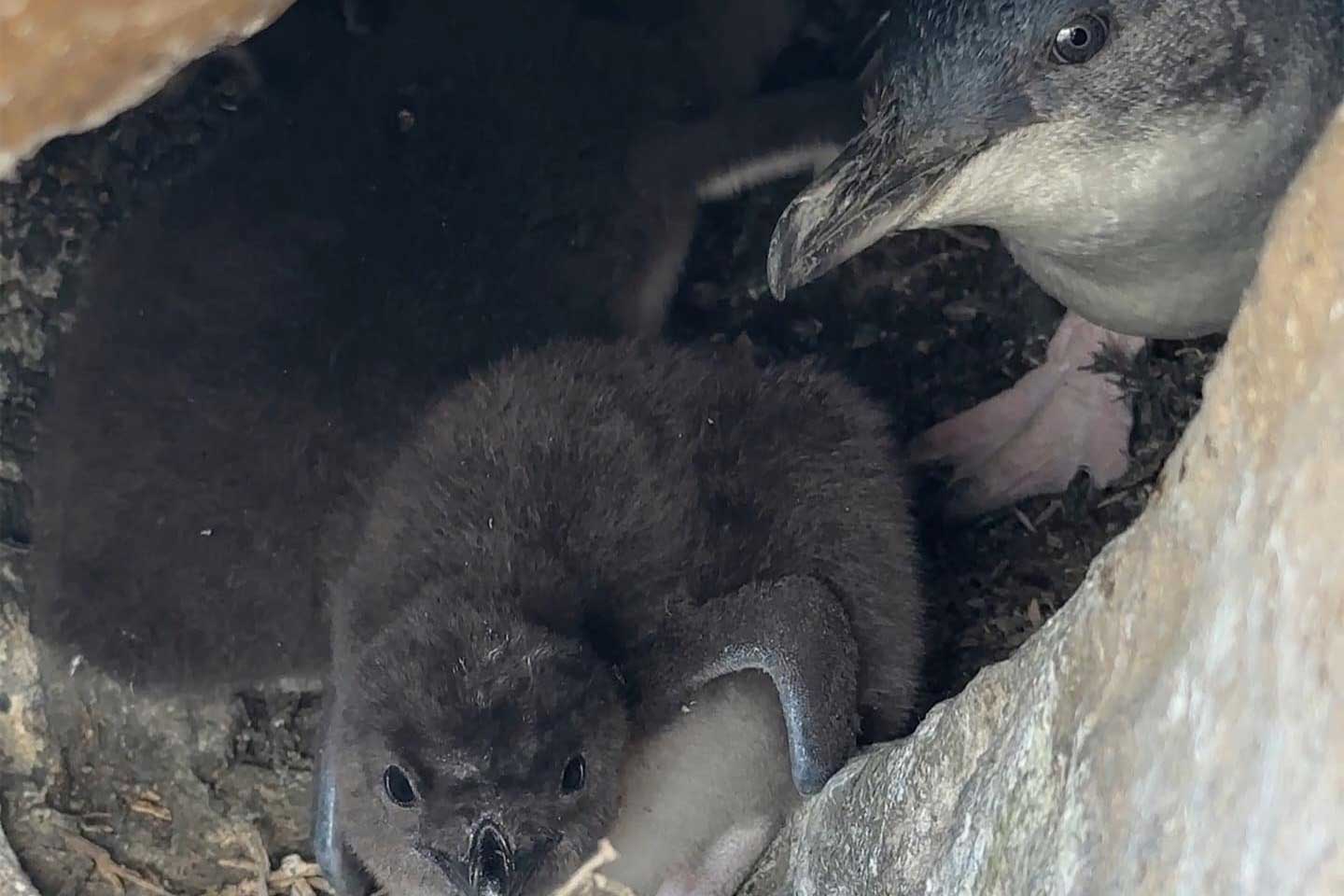
As visitor numbers increased, the presence of trained guides became essential to protecting the colony. Volunteers not only ensured that people kept a safe distance, but also explained why white lights, loud noise, and physical contact can cause stress and harm to the penguins. This simple but consistent education helped shift public behaviour from curiosity-driven interaction to respectful wildlife observation.
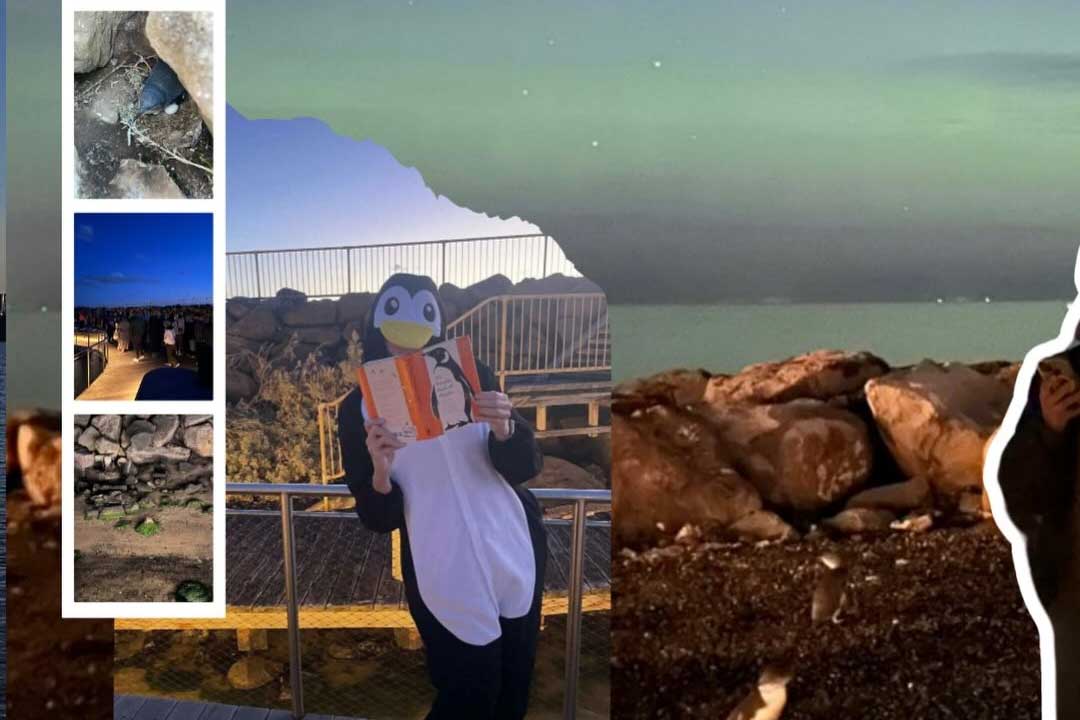
The guiding program also strengthened the connection between the community and the colony. Many visitors who first came to see the penguins later returned as volunteers, donors, or advocates for coastal conservation. What began as a protective response to disturbance gradually evolved into one of the most important community engagement initiatives supporting the long-term survival of the St Kilda penguins.
Today, penguin guiding remains a vital part of Earthcare’s conservation efforts. The dedication of volunteers ensures that both locals and tourists can experience the magic of seeing Little Penguins in the wild, while safeguarding the colony for future generations.